
What Are We Thinking?
Takeaways:
This piece explores recent updates in neuroscience, particularly new understandings of how the human brain processes both interior and exterior information—and what that can tell us about being human.
Brooks begins by defining the old understanding of brain function: the modular approach, which held that each brain region has its own specific job. We had long thought, for instance, that emotion was formed in the amygdala. New research suggests instead that the brain is a network of interconnected regions, and that brain function moves across these regions like a flock of birds through the sky.
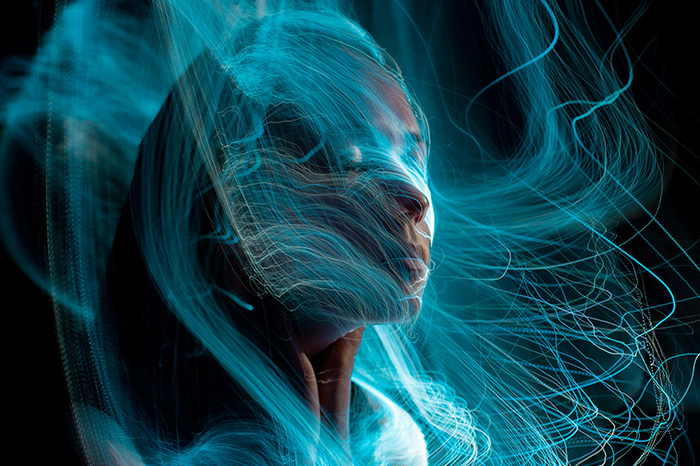
Brooks argues that this interpretation of the brain’s activity better suits our reactivity to life’s astounding complexity. It allows us to see ourselves as ever-changing swirls of thoughts, fears, feelings, desires, impulses, memories, and bodily sensations that interact to form a single mind. Brooks goes on to call this “the mental swirl.”
This interpretation of the mind, Brooks argues, sits in direct conflict with many of our most relied-upon systems—notably the A, B, C letter-grading system used in most American schools—which force us into continuums that lack specificity and ultimately dehumanize us.
If you see people as a set of swirls, you are confronted with the fact that these different mental activities are intensely interconnected as part of a single, holistic process. The emotions you feel influence what you see just as much as what you see influences what you feel.
All too often, we are told to impose reason or calm onto our decision-making processes. The “mental swirl” view of the human mind challenges this, asking us to stop overvaluing reason and calm as superior emotions that should take precedence over all other signals our minds offer. Instead, it reminds us that emotions and desires should be weighed as equal parts of the whole mind—different resources people draw upon to help make judgments about what to do next.
Brooks ends the piece on an optimistic note, observing that modern neuroscience makes space for the “mental swirl” theory and opens new ways of understanding the processes that make us fully human—how we assign value, make decisions, improve ourselves, and move gracefully through life’s challenges.
by David Brooks for The New York Times:
Read the whole story.
Note: You will need a free account with The New York Times to view this article. At the time of this posting The Times offers 10 free free article views per month.